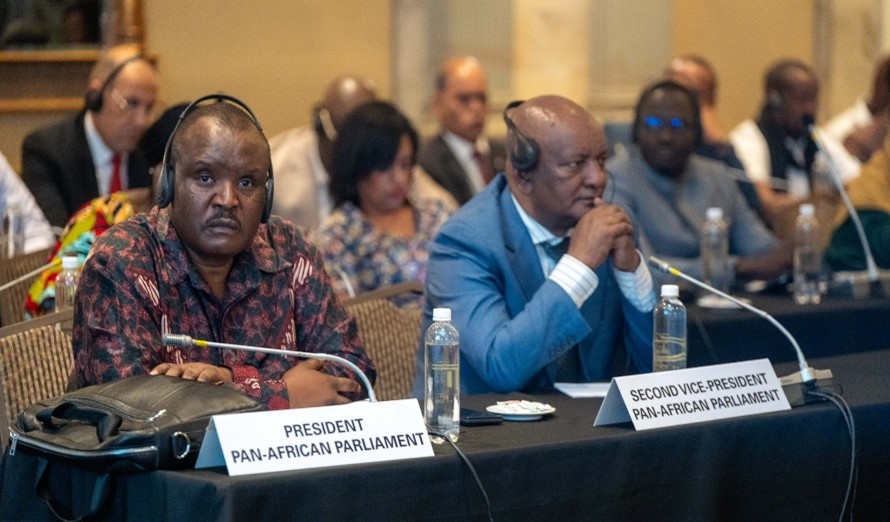
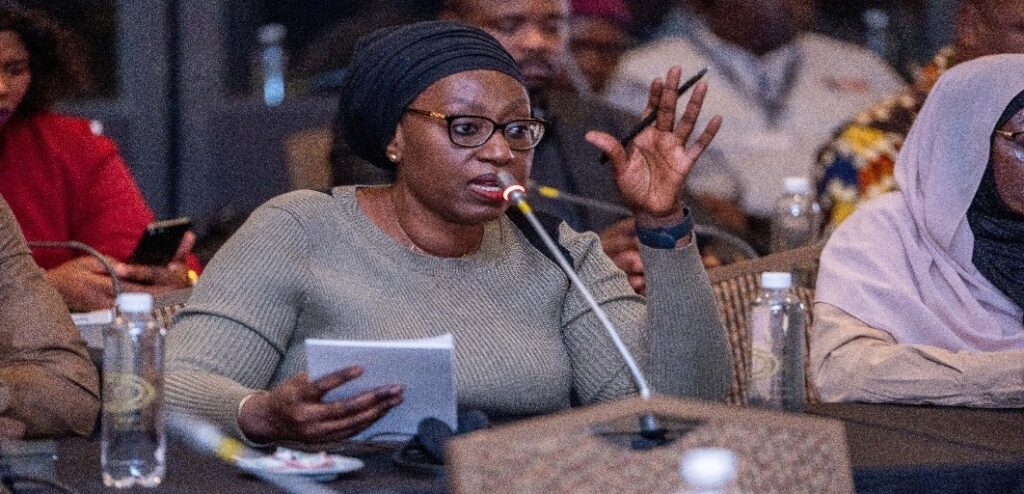
The Electoral Institute for Sustainable Democracy in Africa (EISA), in partnership with the African Union Commission’s Department of Political Affairs, Peace and Security (DPAPS) through its Democracy and Elections Unit (DEU), successfully delivered a three-day Election Observation Training for Members of the Pan-African Parliament (PAP) from 12–14 November 2025 in Pretoria, South Africa. The training, attended by over forty PAP Members and Secretariat staff, forms part of EISA’s broader mandate to strengthen continental democratic governance by building the technical capacity of regional and continental bodies involved in election oversight.
Opening the programme, H.E. Chief Fortune Charumbira, President of the Pan-African Parliament, emphasised the pivotal role of credible and transparent elections in safeguarding Africa’s democratic trajectory. He underscored PAP’s responsibility to uphold the will of the people and highlighted the invaluable contribution of parliamentarians to African Union Election Observation Missions (AUEOMs).
EISA’s team of experts, in collaboration with African Union led the design and delivery of the training, grounding it in the African Union’s normative and legal frameworks, including the African Charter on Democracy, Elections and Governance (2007), the Declaration of Principles Governing Democratic Elections (2002), and AU Guidelines for Election Observation and Monitoring (2002)
Through a combination of theory and hands-on exercises, EISA introduced parliamentarians to the AU’s observation methodology, the roles and responsibilities of observers across the electoral cycle, the observer code of conduct, and the structure of AU reporting systems. This technical foundation is critical for ensuring high-quality, methodologically consistent election observation across the continent.
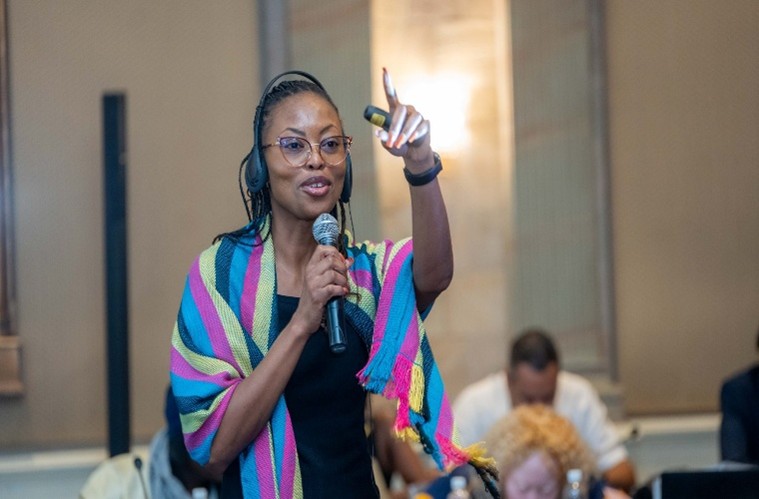
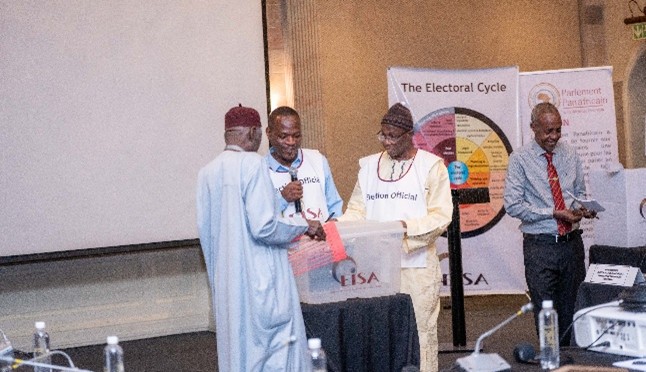
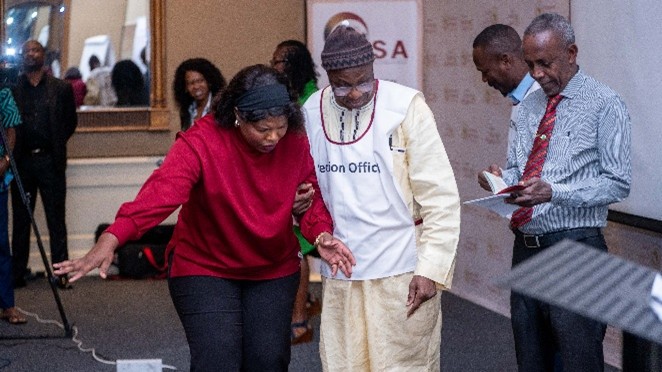
A strong emphasis was placed on practical skill-building, with EISA facilitating training on stakeholder engagement, information gathering, direct and indirect observation, triangulation of findings, and incident reporting. Using scenario-based exercises, simulation drills, and structured case studies, participants practiced applying EISA’s tested observation tools in real-world contexts. This ensured that parliamentarians not only understood the theoretical underpinnings of election observation but could translate them into professional practice during deployment
In addition to technical proficiency, EISA guided discussions on the broader governance implications of election observation, highlighting how evidence from AUEOMs informs institutional reforms, enhances accountability, and strengthens legislative oversight. Special focus was placed on the follow-up and implementation of AUEOM recommendations, an area where PAP’s legislative influence is essential. The training therefore positioned PAP not only as an observer body but as a long-term partner in promoting electoral reforms and democratic consolidation.
Participants also shared their reflections on the training, expressed positive feedback on the training, noting that its delivery in English, French, Arabic, and Portuguese ensured inclusivity and accessibility for the diverse linguistic representation within the Pan-African Parliament. This multilingual approach strengthened engagement and enabled deeper collective learning.
Parliamentarians highlighted PAP’s critical responsibility in following up on AU Election Observation Mission findings through its legislative, advocacy, and oversight roles. They further emphasised their readiness to actively support future AU election observation efforts, building on the knowledge and skills gained during the training. Many participants reported a significant improvement in their understanding of African Union election observation methodologies, approaches, and standards, underscoring how the practical exercises, case simulations, and EISA’s technical guidance enhanced their confidence to conduct professional, impartial, and credible observation. Overall, they reaffirmed that strengthened observation capacity helps bolster electoral integrity, constitutionalism, accountability, and public trust in democratic institutions across the continent.
The programme concluded with a certification ceremony recognising the participants’ completion of pre- and post-assessments. In closing remarks, AU leadership commended EISA’s longstanding commitment to supporting the African Union and Regional Economic Communities in enhancing democratic processes, improving electoral integrity, and promoting peace and stability. With this training, AU has expanded the pool of qualified AU election observers and reinforced the Pan-African Parliament’s capacity to contribute meaningfully to credible and peaceful elections on the continent.