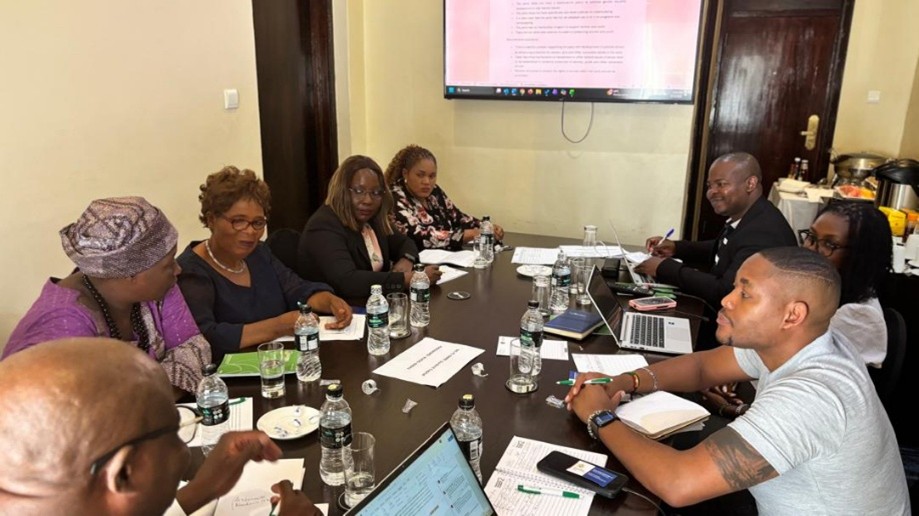
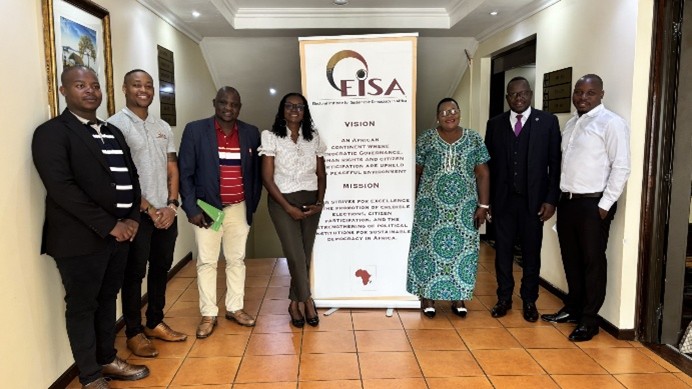
This week, EISA joined Malawi’s political parties represented in parliament, including Malawi Congress Party (MCP), Democratic Progressive Party (DPP), United Democratic Front (UDF), Alliance for Democracy (AFORD), People’s Party (PP) and United Transformation Movement (UTM), to validate and review their Gender Audit assessments findings. The process supports political parties in integrating gender perspectives into their policies, planning, and organisational structures, fostering inclusive, responsive, and representative political institutions.
Political parties are gatekeepers of democracy and play a critical role in shaping electoral participation. By conducting gender audits, parties commit to holding themselves accountable for their gender commitments, enabling the design of policies and programs that address gender disparities and strengthen women’s participation in politics.
Malawi’s Gender Audit process began in August–September 2025, coinciding with political reforms and the September general elections. The audit engaged party secretaries, national executive committees, women’s wings, district coordinators, CSOs, and parliamentary gender committees. Key documents, including party constitutions, manifestos, and Electoral Commission policies, were reviewed to inform evidence-based recommendations and Gender Action Plans.
Preliminary findings indicate that while parties show strong commitments to gender equality, challenges remain in internal decision-making, regulations and supporting policies. Each session with individual parties was very productive, and the draft findings are helping parties identify opportunities to strengthen gender inclusiveness and responsiveness in their structures and policies. Party representatives consulted expressed commitment to developing Gender Action Plans starting, an important step toward institutionalising gender mainstreaming.
Looking forward, the Gender Audit assessment validation in Malawi is an opportunity to share lessons, explore future synergies, and reinforce the commitment of political parties to inclusive governance. By adopting gender policies and implementing reforms, parties enhance their responsiveness, representativeness, and accountability.